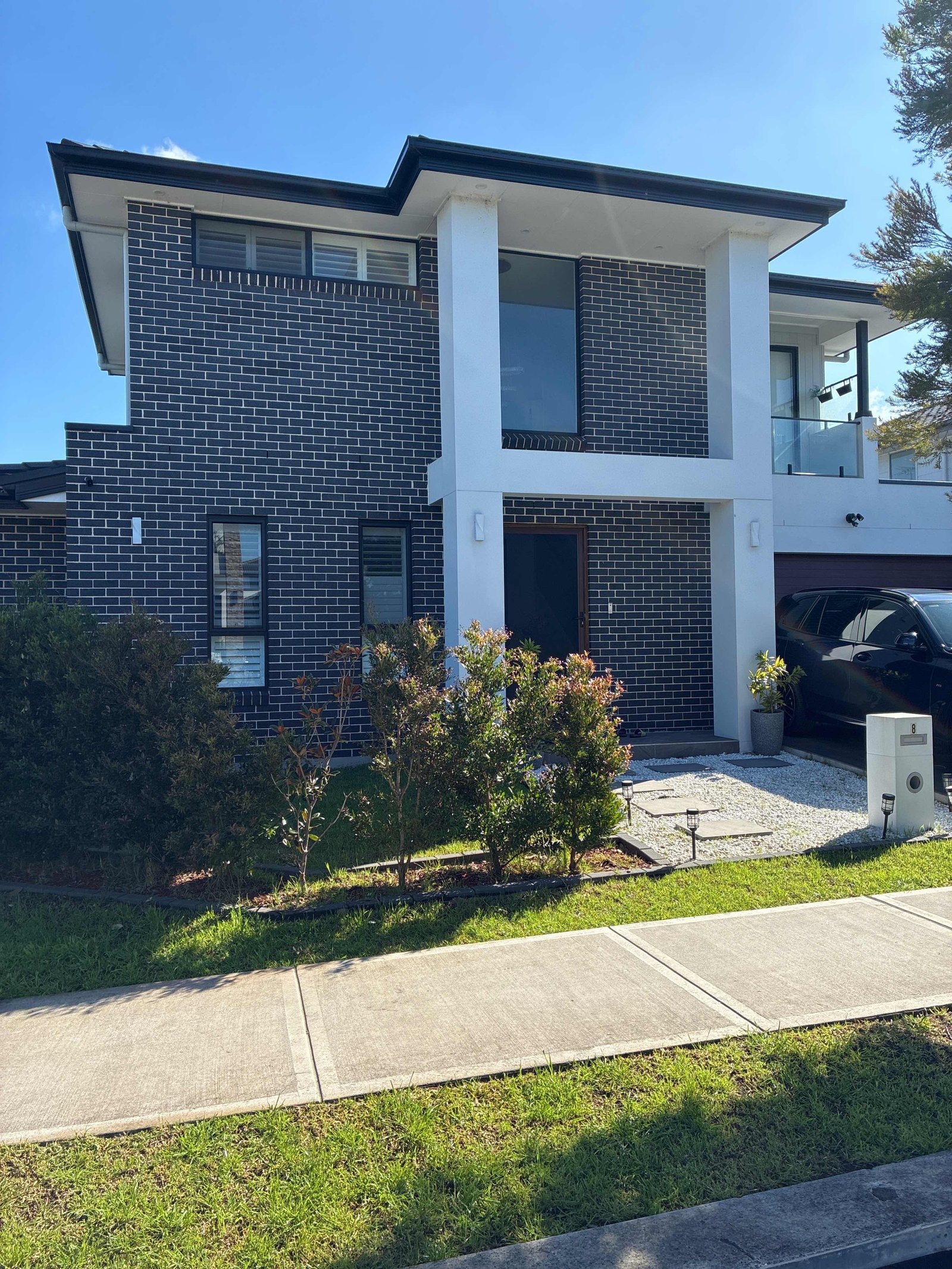
Two-storey brick residence pre-purchase inspection, Marsden Park NSW — August 2026
Inspecting a modern double-storey home requires examining the critical junctions between roof pitch elevations, stormwater diversion, and perimeter weep holes that are easily compromised by later landscaping.
 Licensed NSW Building InspectorAS 4349.1-2007 (Pre-Purchase) & AS 4349.3-2010 (Timber Pest)
De-Identified Field Record · Client Privacy Protected
Built from de-identified patterns across real Sydney inspections. In accordance with NSW privacy standards, client names, street numbers, email addresses, and commercial fees are strictly omitted by design.
Inspection at a Glance
Zero structural compromise or critical timber pest damage identified.
Secondary cosmetic blemishes, age-related wear, and routine deferred maintenance items.
Evaluated relative to building age, architectural construction type, and Australian Standards.
Inspected strictly to current Australian Standards and National Construction Code specifications.
What We Found on Site
Below are key observations documented during this physical visual assessment. Each defect is rated by severity, accompanied by photographic evidence and trade recommendations.
Roof & Gutter — Hip & Ridge Capping Mortar Bedding
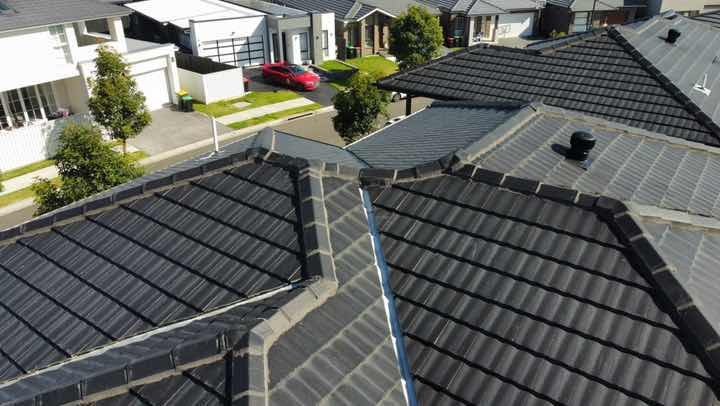
Inspector note: Irregular hip and ridge capping mortar bedding — re-pointing required to prevent storm ingress.
The roof ridge and hip capping junction was irregularly formed with uneven mortar bedding and noticeable gaps between capping units.
Uneven bedding allows driving rain and storm wind to penetrate under roof tiles, deteriorating timber battens and dripping into ceiling insulation.
Engage a licensed roof tiler to re-point and bed the hip and ridge capping with flexible pointing compound.
Stormwater & Hot Water — Rainwater Tank Overflow
Inspector note: Rainwater tank location — overflow requires connection to approved legal point of discharge.
The rainwater detention tank overflow pipe was discharging directly against the building footing rather than connected to legal street stormwater.
Concentrated water discharge next to concrete footings can cause differential soil expansion (clay reactivity), leading to slab settlement and high termite attraction.
Engage a licensed plumber to hard-pipe tank overflow directly to the site stormwater easement.
Exterior Brickwork — Covered Weep Holes
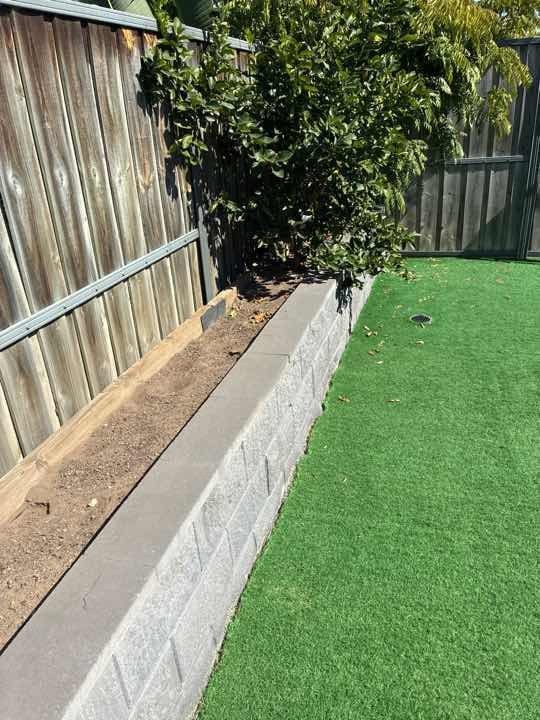
Inspector note: Perimeter soil level against brickwork — lower ground levels to fully expose weep holes.
Exterior ground and garden levels were raised too high, partially obstructing lower course brick weep holes.
Covered weep holes prevent wall cavity ventilation and provide concealed bridges for subterranean termites to enter the wall framing undetected.
Lower perimeter soil and garden mulch to ensure a minimum 75mm clear visual inspection zone below weep holes as per AS 3660.1.
Why Minor Defects Demand Proper Attention
A home can be fundamentally sound and well-engineered, but small oversights — such as an unconnected tank overflow or covered weep holes — can over 3 to 5 years evolve into significant foundation movement or costly pest problems.
Our comprehensive AS 4349.1 pre-purchase report gave the prospective buyer the exact checklist needed to instruct the vendor’s plumber and maintain long-term compliance.
Takeaway for Prospective Buyers
Even well-built modern homes often suffer from poor trade coordination. Here, unplumbed water tank overflow and buried perimeter weep holes created unnecessary termite and dampness risks that were simple to fix once identified.
Thinking about a property in North-West Sydney?
Book your pre-purchase building & timber pest inspection today. Get complete clarity, detailed photographic evidence, and same-day phone debriefs.
More Sydney Field Reports
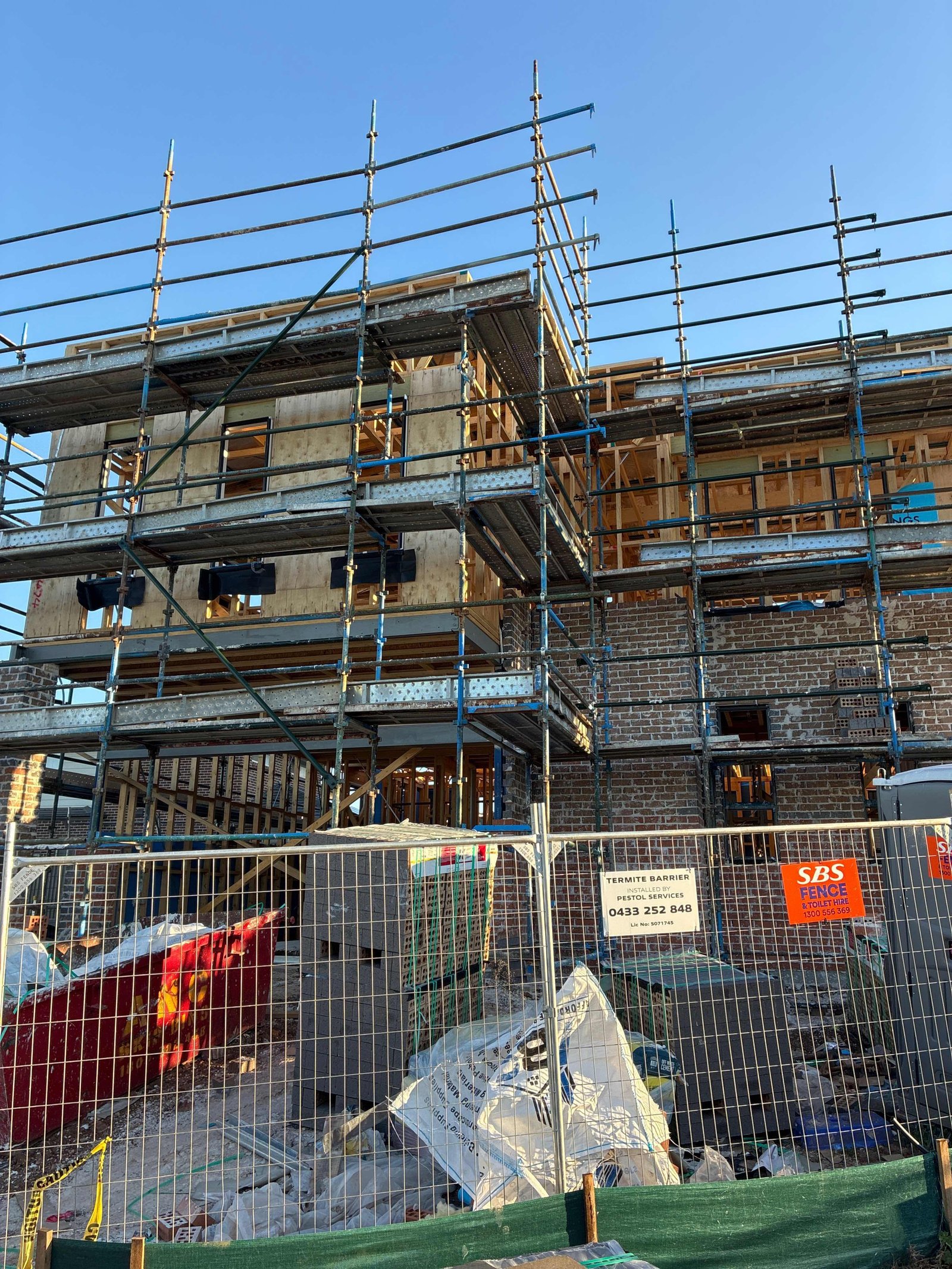
Pre-cladding & moisture wrap inspection, Leppington NSW — August 2026
Before external brickwork or lightweight cladding is installed, the building's pliable weather barrier (wall wrap) and damp-proof courses (DPC) must form an uninterrupted barrier against rain penetration.
Frame stage progress inspection, Leppington NSW — July 2026
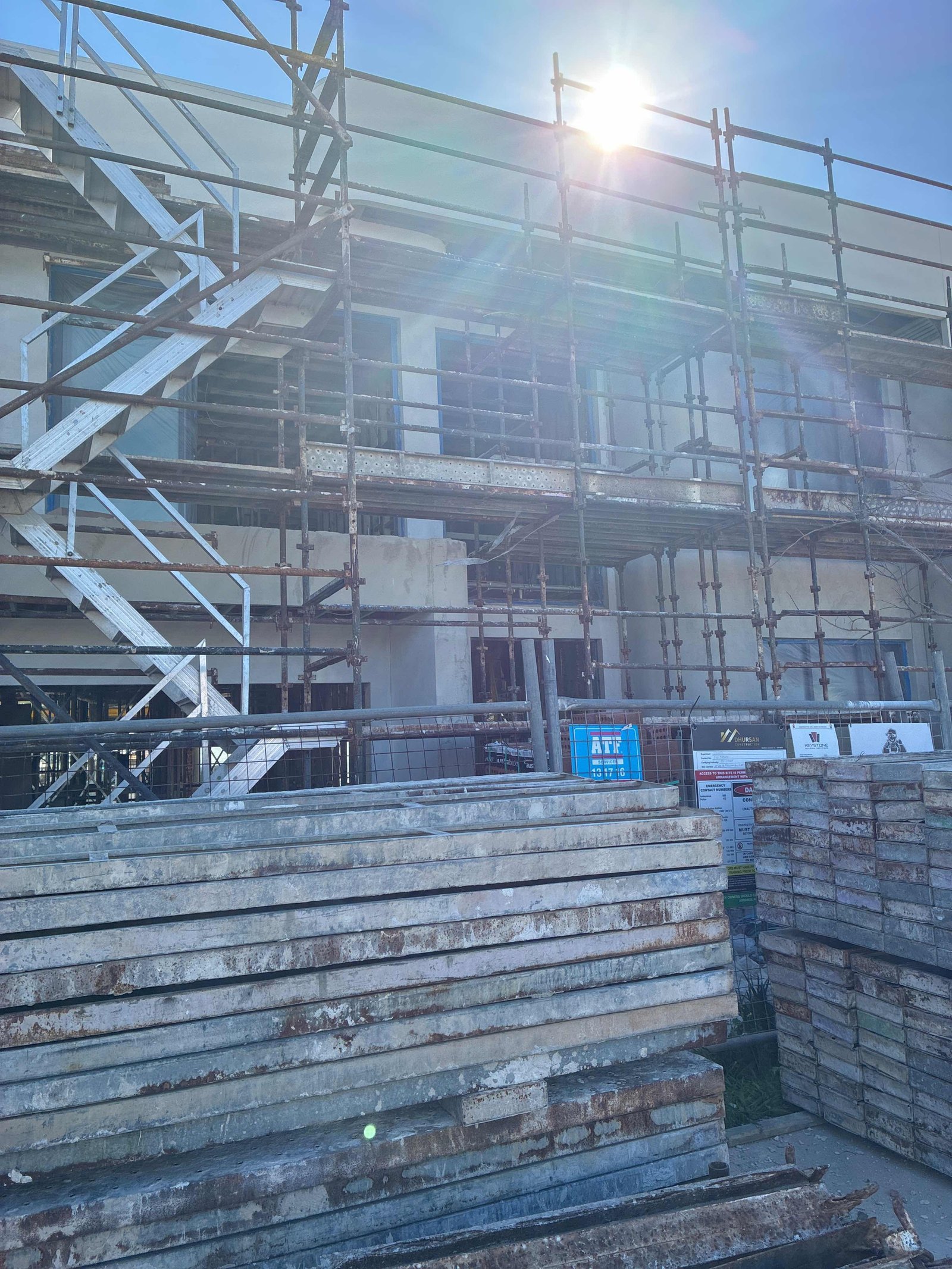
During this staged construction inspection in Leppington, our inspector assessed structural wall framing, load-bearing posts, tie-downs, and roof truss alignments before the builder proceeded to plasterboard lining.
Single-storey residential pre-purchase inspection, Catherine Field NSW — August 2026
Catherine Field in Sydney’s South-West has experienced rapid residential growth. In this pre-purchase inspection, our client wanted clarity on roof integrity, external alfresco condition, and internal tile bonding before finalizing their offer.